A property can look safe during the day and feel completely different after sunset. Cars leave, offices close, hallways become quiet, and fewer people remain nearby. At that point, one broken light can change how the whole area feels.
Property managers often see a failed light as a maintenance task. Criminals may see it as an opening. Darkness gives them cover, time, and a better chance of avoiding attention. That difference explains why someone seeking an easy target may notice a broken light before the people responsible for the property do.
For owners, managers, residents, and employees, the benefit of understanding this is clear. Faster lighting checks can reduce blind spots, improve camera footage, support safer movement, and show that the property is actively watched.
Dark Parking Lots Invite Criminal Activity
Broken lights do more than make an area harder to see. They can suggest that inspections are irregular or that repairs move slowly.
A failed fixture near a side door can hide someone testing the handle. A dark parking space can make it easier to move between cars. A dim stairwell can reduce the chance that a face appears clearly on camera.
Broken lighting can affect:
- Camera clarity
- Patrol visibility
- Door and gate checks
- Parking safety
- Resident confidence
- Employee movement
- Incident reporting
Therefore, lighting should be treated as part of property security, not only as a repair issue.
How Criminals Spot Weak Lighting Patterns Fast
People who plan theft, trespassing, vandalism, or vehicle break-ins often watch routines. They notice when employees leave, when gates remain open, and when patrols pass through.
Broken lights fit into those observations. One dark area may seem accidental. Several dark areas may suggest weak oversight.
Criminals may watch for:
- Rear doors hidden from public view
- Parking rows beyond camera range
- Gates blocked by shadows
- Empty loading areas
- Dark paths between buildings
- Fixtures left broken for days
Meanwhile, property managers handle many competing duties. Tenant concerns, vendor visits, inspections, repairs, and staffing can push a lighting issue lower on the list.
Broken Lights Reduce CCTV Security Evidence
Many properties depend on video cameras. However, a camera cannot create detail that poor lighting hides.
In low light, footage may show movement without useful features. A face may appear blurred. Clothing colors may look wrong. A license plate may be unreadable. A person may disappear into shadow near a wall or parked vehicle.
Property managers should compare lighting with camera coverage after dark. A camera that looks well placed during the day may perform poorly at night.
A useful review includes:
- Checking every entrance on camera
- Watching live footage after sunset
- Testing motion lights
- Looking for glare
- Checking license plate visibility
- Trimming plants that block light
Better lighting can make current cameras more useful without adding equipment.
How Poor Lighting Changes Visitor Behavior
Residents, workers, visitors, and customers notice dark areas too. They may avoid certain paths, park closer to entrances, or leave earlier.
A broken light can also reduce trust. When people report the same dark spot and see no change, they may believe the property is not watched closely.
Fast repairs show that management listens and acts. That response can improve confidence while reducing a visible weakness.
High‑Risk Property Areas With Failing Lights
Parking lots and garages need regular checks because vehicles create cover. Stairwells, ramps, columns, and corners can also block views.
Side and rear entrances deserve attention because they receive less foot traffic than main doors.
Dumpsters, utility spaces, and loading areas may sit far from public view. These locations can hide trespassing, property damage, or attempts to reach storage areas.
Walkways and stairwells need even lighting. Dark steps can lead to falls, while deep shadows can make people feel exposed.
Construction areas require frequent review because equipment, fencing, and temporary walls can change where light is needed.
How To Run a Nighttime Lighting Inspection
Daytime inspections cannot show how a property truly looks at night. A proper lighting review should happen after sunset.
During the inspection, staff should:
- Walk every parking area
- Check doors and gates
- View the site from the street
- Stand beneath each camera
- Look behind landscaping
- Test timers and sensors
- Note flickering fixtures
- Record exact locations
- Confirm completed repairs
The inspection should also look for related problems. A dark area may contain damaged fencing, an open door, fresh graffiti, or signs of trespassing.
Why Fast Light Repairs Are Not Enough
A work order may say that a light was repaired, yet the area may remain too dark. The new bulb may be weak, the fixture may face the wrong direction, or a timer may shut it off too early.
Managers should record the report time, repair date, fixture location, nearby concerns, and final result. Repeat failures may point to wiring trouble, water damage, vandalism, or outdated equipment.
This record helps managers find patterns. If the same corner keeps losing light, the problem may require more than another bulb.
Security Patrols Identify Linked Lighting Risks
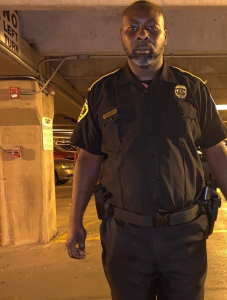
A patrol officer may notice several small signs during one round. A broken light, an unsecured gate, an unfamiliar vehicle, and damaged fencing may form one larger concern.
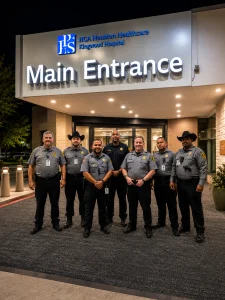
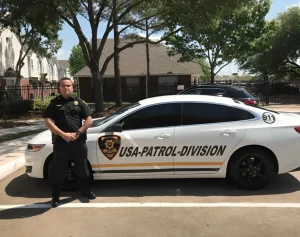
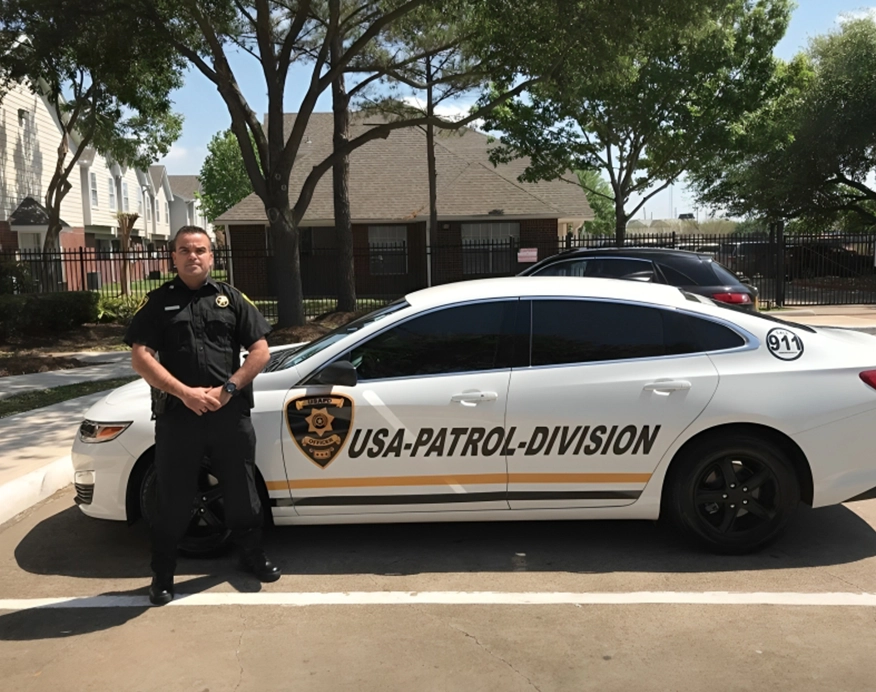
USAPD, LLC states that its patrol officers may check for broken lights, property damage, unsecured doors, unusual vehicles, restricted-area activity, and signs of trespassing. These observations can help property teams connect maintenance problems with security risks.
Key Takeaways for Reducing Nighttime Crime
Criminals often notice broken lights first because they search for low visibility, slow repairs, and predictable gaps. Property managers can remove that advantage through regular night inspections, fast repairs, camera reviews, and clear reporting. The lesson is simple. A broken light is not just a bulb. It can affect people, cameras, doors, vehicles, and the way the property is judged after dark.
By treating lighting as part of daily security, property teams can find weak areas sooner and act before they become familiar targets. USAPD, LLC recognizes that lighting checks work best when connected with patrol observations, access checks, and detailed incident records.