Every business faces risk, but not every property faces the same level of danger. A quiet office with limited visitors has different security needs than a bank, jewelry store, late-night restaurant, or warehouse filled with costly equipment.
Therefore, hiring an armed security guard should be a careful business decision rather than a reaction based on fear. The right choice depends on crime history, operating hours, cash flow, employee exposure, property value, and the possible seriousness of an incident.
In some workplaces, an armed guard provides a suitable level of protection. In others, an unarmed security guard can control access, observe activity, enforce rules, and report incidents without creating an overly forceful setting. The goal is simple. A business should use the least forceful security option that can reasonably handle its real risks.
How Armed And Unarmed Security Guards Protect Differently
Armed and unarmed guards share many duties. Both may patrol property, watch entrances, check visitors, document incidents, contact police, and discourage unwanted conduct.
However, their responsibilities begin to differ when serious violence becomes a realistic concern. An unarmed guard is often suitable for:
- Visitor screening
- Front-desk coverage
- Parking patrols
- Rule enforcement
- Theft observation
- Employee escorts
- Incident reporting
- Alarm checks
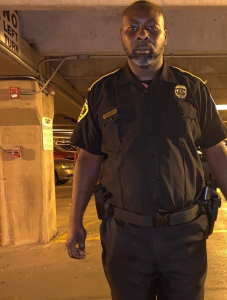
An armed guard carries a firearm and must meet licensing and training requirements. This type of officer may be considered when a business faces robbery, assault, dangerous threats, or a strong chance of armed confrontation.
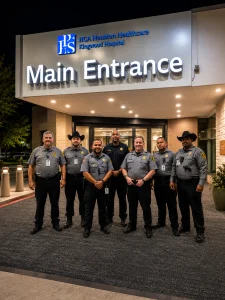
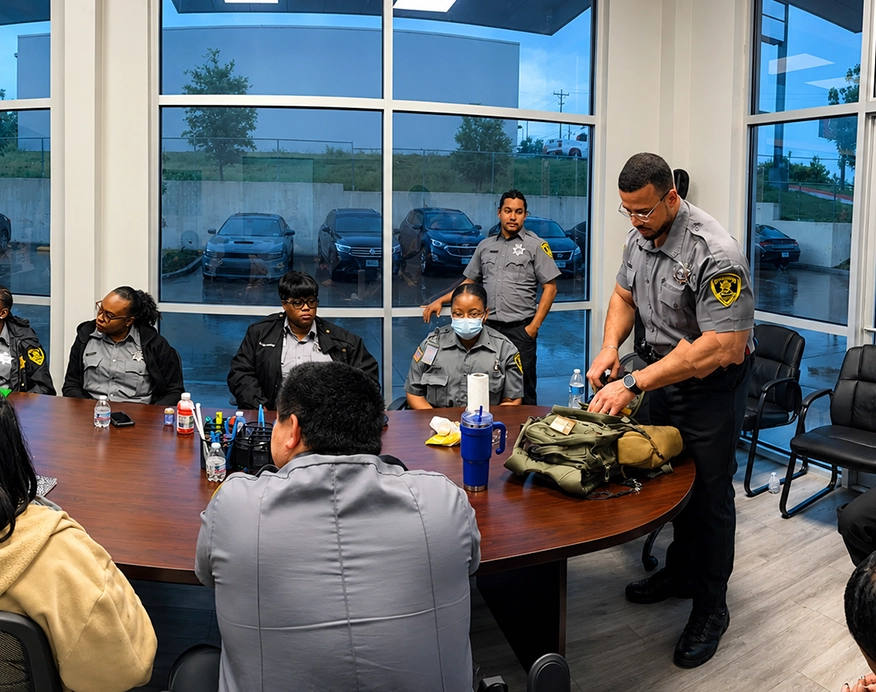
USAPD, LLC states that its armed officers are licensed commissioned security officers through the Texas Department of Public Safety. The company notes that armed coverage may be considered for cash-handling businesses, controlled areas, valuable property, repeated crime, and locations with greater physical risk.
When Repeated Violent Crime Calls For Armed Security
Past incidents often provide the clearest warning.
A business that has experienced repeated robberies, assaults, violent threats, or dangerous break-ins may need more than a visible unarmed presence. Employees may begin fearing evening shifts, closing duties, or walking through the parking lot.
For example, a convenience store robbed twice during closing hours now carries more than financial loss. Workers may watch every customer with worry. Some may avoid late shifts, while others may leave their jobs. An armed guard assigned during high-risk hours can:
- Watch the entrance and parking area
- Observe unusual customer behavior
- Remain present during cash counts
- Support closing procedures
- Contact the police during an emergency
- Record suspicious activity
As a result, employees can focus on their work instead of carrying the full burden of watching for danger.
Why Cash-Handling Businesses Need Armed Security
Banks are not the only businesses that handle large amounts of money. Grocery stores, pawn shops, pharmacies, gaming venues, check-cashing locations, restaurants, and busy event sites may also become robbery targets. Risk often increases during opening and closing hours. Employees may be working in smaller groups, preparing deposits, or walking through dark parking areas.
An armed guard can support safer routines by observing entrances, monitoring people who remain without a clear reason, and staying present during deposit preparation. However, armed security should support strong business practices rather than replace them. Cash controls should still include:
- Secure storage
- Limited access
- Changing deposit times
- Working cameras
- Bright exterior lighting
- Clear staff instructions
Several protective steps working together usually provide stronger security than one visible measure alone.
Protect Valuable Goods From Planned Theft Attempts
Some theft happens without planning. Other crimes involve teams, vehicles, tools, and careful observation. Criminal groups may study delivery schedules, employee routines, camera positions, exits, and patrol times before entering a property. Businesses with valuable inventory may face this higher level of attention. Examples include:
- Jewelry stores
- Electronics retailers
- Automotive dealerships
- Pharmacies
- Equipment yards
- Construction sites
- Warehouses
- Data facilities
An armed guard may make sense when theft attempts have become organized, repeated, or violent. The benefit goes beyond saving inventory. Better protection may also reduce repair bills, insurance claims, business delays, employee stress, and lost customer trust.
Responding To Direct Security Threats Against Staff
Some employees regularly deal with angry, unstable, intoxicated, or aggressive people.
Healthcare workers may face tense visitors. Property managers may handle evictions and banned guests. Retail workers may encounter shoplifters who turn violent. Government employees may deal with heated public disputes.
Armed coverage may be considered when there is reliable evidence of a serious threat, such as:
- Written or spoken threats
- Stalking behavior
- Assaults against staff
- Repeated violent disturbances
- Former employees making threats
- Dangerous domestic disputes
- People returning after removal
- Weapons seen near the property
A trained officer can monitor access, alert employees, record activity, and support an emergency response plan.
Still, a firearm does not replace calm communication. A responsible armed guard understands that preventing conflict is usually safer than entering one.
Security Risks At Late-Night And Remote Properties
Business conditions often change after dark. There may be fewer witnesses, smaller work crews, empty parking areas, and slower detection of criminal activity. Late-night restaurants, convenience stores, hotels, warehouses, gas stations, bars, and transportation sites may face robbery, harassment, fights, trespassing, or vehicle break-ins.
Likewise, remote facilities may be farther from police or emergency support. An on-site guard may warn employees, secure an entry point, contact authorities, guide people away from danger, and provide useful suspect details. However, late hours or distance alone do not always justify armed coverage. A property with low crime, strong fencing, working cameras, and little valuable inventory may function well with unarmed guards or vehicle patrols.
When Armed Security Guards Are The Right Fit
More force does not always provide better protection. An armed presence may feel too severe in a family clinic, school reception area, apartment leasing office, or customer-focused business with a low threat level.
An unarmed guard can still provide clear value. The officer can greet visitors, check access, patrol shared spaces, issue warnings, observe suspicious conduct, and call police when needed.
Businesses can also use different security levels at different times. For instance, an unarmed officer may cover normal daytime activity, while an armed guard works during cash counts or late-night closing. This approach places stronger protection where it has the greatest value.
Training And Clear Duties For Armed Security Guards
A firearm alone does not make a guard effective. Judgment, awareness, restraint, communication, and site knowledge matter just as much.
An armed officer should understand:
- Safe weapon handling
- De-escalation
- Emergency communication
- Access procedures
- Report writing
- Local laws
- Assigned authority
- Evidence protection
The officer should also receive clear written duties. These instructions should explain patrol areas, restricted spaces, visitor rules, emergency contacts, alarm procedures, and events that require police involvement.
Clear expectations help protect employees, visitors, management, and the officer.
Key Takeaways On Armed Security For Businesses
An armed security guard makes sense when a business faces a credible risk of violence, handles large amounts of cash, protects valuable goods, receives serious threats, or operates during high-risk hours.
However, the choice should come from a detailed review of actual conditions rather than appearance or fear. In many settings, an unarmed guard can provide the right level of observation, access control, reporting, and public contact.
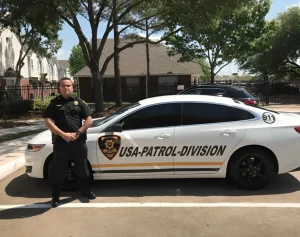
USAPD, LLC provides both armed and unarmed officers, along with patrol, access control, monitoring, fire watch, and event security. Its focus on licensed officers and site-specific planning reflects the careful approach businesses should take when selecting the right level of protection.